
The Evolution of Real-Time Table Gaming
Oficjalna Strona Legalnego Kasyna Online w Polsce
June 22, 2026Run4win Casino Bonus: Die ultimative Testanalyse im Detail
June 22, 2026Experience the Thrill of Real-Time Play at the Best Live Dealer Casino
A live dealer casino is a digital gaming platform that streams real-time video of a professional croupier operating classic table games like blackjack, roulette, and baccarat from a dedicated studio. Players place bets through an on-screen interface while watching the actual cards being dealt or the roulette wheel spinning, creating a seamless blend of online convenience. This experience offers the authentic atmosphere of a physical casino with the ability to interact with both the dealer and fellow players via live chat, all from your own device.
The Evolution of Real-Time Table Gaming
The evolution of real-time table gaming in live dealer casinos has shifted from basic camera streams to a fully immersive, interactive experience. Early setups offered limited angles and static gameplay, whereas modern studios employ multiple HD cameras, touchscreen interfaces, and real-time chat with dealers. This progression allows players to adjust bet limits seamlessly and switch between game variants without leaving the table. You now control your perspective, zooming in on the felt or requesting card reshuffles on demand. The integration of advanced optical recognition has eliminated manual result delays, making every spin or hand feel instantaneous. This technology-driven refinement makes live dealer casino action not merely a broadcast, but a responsive, personalized gaming session that rivals in-person play in speed and authenticity.
From RNG to Streaming: How Technology Changed the Experience
Early digital table games relied on Random Number Generators, creating a solitary, algorithm-driven interaction. The shift to streaming replaced that isolated calculation with real-time video feeds of actual cards and wheels. Now, players watch a dealer shuffle and spin physically, eliminating any suspicion about the code behind the outcome. This technology changed the experience by introducing a three-step sequence:
- The player places a bet via a digital interface while watching a physical table.
- The dealer executes the game action with tangible equipment in a studio.
- The result is determined by physics, not software.
This visibility fosters immediate trust, making the game feel less like a computer program and more like a genuine casino interaction.
Why Players Are Shifting to Human-Hosted Tables
Players are shifting to human-hosted tables to reclaim the social authenticity missing from automated games. The human element in live dealer interaction restores genuine conversation, real-time banter, and visible dealer cues that algorithm-driven tables cannot simulate. This preference stems from practical needs: trust verifiable through visible card handling, immediate rule clarification via chat, and nuanced pace control that adjusts to the table’s rhythm. Human dealers adapt their demeanor and speed to player comfort, something fixed RNG interfaces never manage.
- Visible physical actions eliminate suspicion about fair outcomes.
- Direct dealer communication resolves game questions without menu searches.
- Organic pace mirrors a real casino flow, reducing rushed decisions.
Key Components of an Immersive Studio Setup
The core of an immersive live dealer casino studio is a high-definition multi-camera rig, often using 4K PTZ cameras to capture the dealer, table, and game details from dynamic angles. A professional-grade green screen or a purpose-built physical set, complete with branded backdrops and precision LED lighting, ensures visual clarity without shadows. Crucial audio components include boundary microphones on the table to capture shuffle and chip sounds, plus a dedicated dealer headset for clear communication. The low-latency video encoder is the backbone, streaming the feed to players in real-time. A common Q&A: are virtual overlays necessary? Yes, they display real-time game history and bet limits, integrated via dedicated graphics hardware to avoid latency.

HD Cameras, Multiple Angles, and Low-Latency Streams
In a live dealer casino, multi-camera low-latency streaming relies on HD cameras capturing every card shuffle and roulette spin from multiple angles, including close-ups of the wheel and wide table views. These feeds are synchronized and transmitted with minimal delay, ensuring player actions like placing bets or hitting “deal” reflect instantly on screen. Without low-latency streams, the immersive illusion breaks; players see delayed outcomes, ruining trust. Dedicated encoding hardware compresses 1080p or 4K video without perceptible lag, while switching between angles feels seamless, mimicking a physical casino’s sightlines.
- HD cameras capture crisp table felt details and card ranks at 60fps or higher.
- Multiple angle coverage includes overhead dealer cams, chip tray close-ups, and player perspective views.
- Low-latency streams use WebRTC or FTL protocols for sub-500ms delivery to browsers and apps.
The Role of Professional Dealers in Building Trust
Professional dealers serve as the human anchor of the immersive studio, directly forging player-dealer rapport through transparent handling of cards, chips, and wheels. Their consistent, unhurried actions and direct eye contact with cameras eliminate suspicion of rigged outcomes. A dealer’s calm demeanor during wins and losses reassures players that the game proceeds fairly, while their immediate, respectful responses to chat queries prove the process is live and untampered. By maintaining impeccable shuffle mechanics and verbalizing every action, they transform technical streaming into a credible, personal interaction that no RNG can replicate.
- Verbalizing each card dealt or spin result removes any ambiguity about game integrity.
- Making sustained eye contact with the camera simulates a trusted, in-person table experience.
- Responding to player chat in real time demonstrates the stream is live and unedited.
- Handling equipment with consistent, professional rhythm prevents perceived dealer bias.
Interface Design: Balancing Betting Speed with Visual Clarity
In live dealer casino interface design, the critical challenge is optimizing betting speed without sacrificing visual clarity. Chip stacks must be instantly distinguishable by color and size, yet laid out to avoid obscuring the live video feed or table boundaries. Betting buttons require a deliberate size and contrast to prevent misclicks during rapid decisions, while timers should be prominently placed but not intrusive. The UI must process selections and confirmations with zero perceptible lag, using subtle visual feedback on bets placed. Overly complex animations or cluttered information panels directly degrade speed, necessitating a ruthless prioritization of essential controls.
- Distinct chip denominations with high-contrast color coding for rapid selection.
- Dedicated, oversized “Confirm” and “Clear Bets” buttons to reduce reaction time.
- Non-blocking timer placement that remains visible without covering betting zones.
Most Popular Table Variants in the Streaming Era
In the streaming era, live dealer casino players gravitate toward classic table variants that thrive on interaction and speed. Popular table variants like Infinite Blackjack and Speed Roulette dominate, as they allow unlimited seats and rapid rounds. Baccarat Control Squeeze remains a hit for its immersive reveal mechanics, while Casino Hold’em and Three Card Poker attract those seeking skill-based poker action. Lightning Roulette, with its random multipliers on straight-up bets, has also become a staple. For baccarat fans, No Commission Baccarat and Dragon Tiger offer simplified, fast-paced alternatives. Each variant leverages real-time video streaming to replicate the tactile feel of a physical casino, making them enduring favorites.
Blackjack with Real-Time Card Handling
In live dealer Blackjack, real-time card handling uses automated shoe shufflers and optical recognition to instantly process each dealt card. This eliminates manual dealer errors and ensures every hand’s outcome is recorded without delay. Live dealer blackjack with automatic card recognition allows players to see the exact hit or stand result immediately on their interface. The tactile experience of watching a physical deck interact with digital tracking creates a unique hybrid trust.
- Cards are scanned by ceiling cameras for immediate numerical and suit identification
- Automated shufflers reseed the deck after each round, preventing manual bias
- Real-time data syncs with bet placement to auto-resolve payouts
Roulette Wheels and Automatic Ball Tracking
In live dealer casinos, automatic ball tracking transforms the roulette wheel into a data-rich spectacle. Sophisticated cameras now lock onto the spinning ivory ball, instantly calculating final pocket positions on the physical wheel. This eliminates human error in result recording, letting players see the exact landing zone via real-time digital overlays on their screens. The system dynamically highlights hot and cold number sectors by cross-referencing hundreds of previous spins. Q: Can automatic tracking detect wheel bias? A: Yes, advanced algorithms analyze release speeds and bounce patterns, flagging consistent deviations to optimize your betting strategy.
Baccarat Squeeze: Adding Drama to Each Hand
The Baccarat Squeeze ritual transforms standard gameplay into a high-stakes spectacle in live dealer casinos. Players or the dealer slowly reveal card edges, peeling them back millimeter by millimeter, building suspense before the full value appears. This visual delay mimics the tactile thrill of high-limit baccarat rooms, letting remote players savor each moment. Unlike rapid speed baccarat, the squeeze prioritizes dramatic pacing, often triggered by a player request. It adds no strategic advantage, only amplified emotional engagement through delayed gratification.
Q: Does the Baccarat Squeeze affect winning odds?
A: No. The squeeze is purely a presentation technique; it does not change the mathematical probabilities of any hand outcome.
Game Show-Style Offerings: Beyond Classic Tables
Live dealer casinos now pivot beyond classic tables into interactive game show-style offerings that merge chance with host-led spectacle. Players choose numbers on a virtual wheel in *Dream Catcher*, bet on lightning-struck multipliers in *Lightning Roulette*, or predict coin tosses in *Mega Ball*. The sequence flows naturally: first, a live host sets the scene; next, players place side bets via an overlay interface; finally, the digital mechanic (spinning wheel, random multiplier, or ball drop) resolves the round instantly. Unlike static tables, these games deliver rapid, varied outcomes in a single session.
- Select your preferred game show variant (e.g., *Crazy Time*, *Monopoly Live*)
- Choose a bet segment on the animated board or wheel
- Watch the host trigger the digital bonus round for instant win or loss
How to Evaluate a Platform Before Playing
To evaluate a platform before playing live dealer casino games, first inspect the stream quality. Look for HD video without lag, as real-time interaction suffers with poor feeds. Assess the table interface: can you easily view betting limits, game rules, and the dealer’s actions? Test the platform’s responsiveness on your chosen device—desktop and mobile versions must load smoothly. Check if you can access game history or round replays to verify fairness. Finally, start with a small deposit to trial the cashier’s speed and withdrawal process, ensuring your funds aren’t locked behind slow payouts. A rigorous pre-play check prevents financial headaches later.
Licensing, Audits, and Fairness Certifications
Before committing funds to a live dealer casino, verify its Licensing, Audits, and Fairness Certifications directly on the regulator’s official site. Legitimate platforms display their license number and seal from bodies like the UKGC or MGA. Independent auditors such as eCOGRA or GLI test the random number generation used in physical card shuffles and wheel spins, issuing certification seals for games. Without current certification, the platform’s claimed house edge remains unverified. The fairness report should explicitly confirm that live dealer actions are provably random, not just reliant on operator assurances. A valid certification eliminates guesswork about game integrity.
Licensing establishes legal oversight; audits confirm game randomness; certifications prove continuous fairness testing—all three are non-negotiable for verifying a live dealer platform’s trustworthiness.
Game Provider Reputation and Software Stability
Evaluating a live dealer casino requires scrutinizing the game provider’s reputation, as established studios like Evolution or Playtech invest heavily in dedicated streaming studios and redundant server infrastructure. A reputable provider guarantees stable software performance, ensuring real-time video feeds remain uninterrupted even during peak hours, preventing disconnections mid-hand. Look for providers with a verifiable history of rapid bug fixes and zero tolerance for stream latency. If a provider lacks an audited record of uptime, the platform is unreliable.
Q: How can I test software stability before committing real funds? A: Enter the provider’s demo lobby and observe if the stream stays crisp for five minutes without buffering; a stable provider will never freeze during a card deal.
Banking Options Tailored for Live Sessions
When picking a live dealer casino, check if they offer instant banking for live sessions to avoid missing a hand while withdrawing. Opt for platforms with e-wallets like Skrill or Neteller for near-instant deposits and cashouts, plus credit cards for backup. Some sites even let you split your bankroll between live blackjack and roulette tables without reloading. First, confirm your preferred payment method is supported. Next, test the withdrawal speed with a small amount. Finally, look for zero-fee options for live play.
Mobile Responsiveness Without Dropping Frames
When evaluating a live dealer casino, prioritize platforms engineered for seamless frame retention under fluctuating network conditions. A choppy stream breaks immersion and can cause misreads of card suits or wheel spins. Test the platform on 4G and Wi-Fi, watching for stutter when the dealer moves. Adaptive bitrate technology is non-negotiable—it should drop video quality before dropping frames, not the other way around. What instantly kills frame stability? Buffering during high-speed dealer actions, like roulette ball landings; this indicates poor server sync, not your connection.
Strategies for Interacting with Real Dealers
To maximize your live dealer experience, employ strategies for interacting with real dealers that build rapport and enhance your gameplay. Always greet the dealer upon joining the table, as this sets a positive tone and makes the session more engaging. Use the live chat function to ask quick questions about game rules or bet limits, rather than interrupting the flow of play. Be mindful of your pace—never rush the dealer or other players. Acknowledge wins or losses with polite, brief comments; this humanizes the interaction and can lead to a more enjoyable atmosphere. Remember, dealers appreciate respectful players, which often results in smoother, faster game rounds. By mastering these social cues, you elevate your live dealer casino experience from transactional to genuinely interactive.
Chat Etiquette and Building Rapport
In live dealer casinos, building genuine rapport begins with observing standard chat etiquette. Address the dealer by name and keep comments brief between hands. Avoid disruptive language or demanding immediate attention, as dealers manage multiple players. A simple greeting and a “thank you” for a good hand fosters a respectful atmosphere. This courteous interaction often encourages dealers to remember your username, creating a smoother, more engaging gaming experience. Acknowledging dealer professionalism, rather than just outcomes, establishes a communicative loop that enhances the live environment for all participants.
Leveraging Side Bets and Special Features
To maximize your session, treat side bets as tactical accelerants, not distractions. In live blackjack, a Perfect Pairs wager adds adrenaline when the dealer’s upcard is weak, sometimes paying 25:1. For live baccarat, the Dragon Bonus side bet can turn a single natural win into a multiplier. Use special features like “Deal Now” buttons to control pace—pausing before a side bet decision reduces impulse. Always cap side-bet stakes at 10% of your main bet; chasing long-odds props for consecutive rounds erodes the bankroll fast.
Managing Bankroll Across Faster-Paced Rounds
Faster rounds in live dealer games demand a sharper bankroll approach, as rapid bets can deplete funds quickly. Reduce your per-round stake compared to standard tables, allowing more hands within your budget without chasing losses. Set explicit session limits beforehand, perhaps halting after a set number of rounds or a fixed loss amount. Dividing your session bankroll into smaller, round-specific units helps you survive variance without overextending. Always monitor your remaining balance between rounds, since the fast pace offers fewer pauses to recalibrate.
Managing bankroll across faster-paced rounds means shrinking stakes per hand and enforcing tight round or loss limits to avoid rapid depletion from the increased game speed.
Behind the Scenes: Security and Data Integrity
In a live dealer casino, data integrity is maintained through hardware-encrypted streams from multiple camera angles, ensuring no frame is tampered with or inserted. The game server independently verifies every dealer action against the video feed in real time, using hash chains to lock each outcome. Players’ account details and bet data are isolated via TLS 1.3 tunnels between the studio and user device, with physical security guards and biometric access restricted to the server room. Any discrepancy in the security protocols triggers an immediate automatic freeze on that table until the footage is audited, preserving fairness without interrupting other games.
How Encryption Protects Streamed Video Feeds
Live dealer casino platforms secure their streamed video feeds using end-to-end encryption protocols, such as TLS 1.3, which encode each video packet between the studio camera and your device. This prevents any third party from intercepting or modifying the feed, ensuring the dealer’s actions and card reveals remain tamper-proof. Encryption also authenticates the data source, verifying that the stream originates from a legitimate studio rather than a manipulated replay. As a result, the video integrity is preserved in real-time, making it impossible for malicious actors to inject fake frames or alter the stream to change game outcomes.
- Encrypts every video packet so card values and dealer movements cannot be viewed or altered in transit.
- Verifies the stream’s origin through cryptographic keys, blocking spoofed feeds.
- Applies per-frame encryption to prevent partial data interception or replay attacks.
- Maintains low-latency decryption on your device without degrading video quality.
Physical Security Measures in Studio Environments
Behind every seamless live dealer game, layered physical security protocols safeguard the studio floor. Controlled-access turnstiles and biometric scanners ensure only authorized personnel enter the game rooms. All gaming equipment, from shuffling machines to dealer terminals, is anchored and tamper-proofed. Clear sightlines, combined with ceiling-mounted cameras, provide unbroken surveillance of every table. The concrete walls and reinforced doors are designed to prevent unauthorized entry. A strict security checklist is followed daily:
- Verify all door seals and locks
- Inspect camera feeds for blind spots
- Confirm equipment integrity with tamper-evident tags
These measures directly protect the game’s integrity from physical interference.
Preventing Collusion Between Players and Staff
Preventing collusion between players and staff involves strict separation of duties. The dealer and the floor supervisor have no access to the player’s betting terminal or account data, which eliminates any ability to share insider information. Camera operators and pit bosses monitor all dealer-player interactions in real time, directly observing for any unauthorized communication or gestures. Additionally, dealers are rotated between tables randomly and without warning, which disrupts any potential arrangement. This layered approach ensures live dealer collusion prevention remains effective by removing opportunities for coordinated cheating.
Regional Variations in Streaming Tables
When you play live dealer casino games, regional variations in streaming tables often dictate which game shows you see. A European studio might host single-zero roulette and VIP Baccarat with English-speaking croupiers, while an Asian-focused table streams from a different camera angle with localized betting limits and multi-cam close-ups on the shoe. For example, if you log in from North America, you’ll likely find dedicated speed roulette tables optimized for 30-second rounds, whereas the same platform’s UK stream might pause for side bets.
Switching your location in the lobby often unlocks tables you never saw before, tailored to that region’s betting pace and dealer style.
Always check the live lobby’s “regional” filter to get the right vibe for your playing preference.
European vs. Asian Dealer Styles and Pacing

European table pacing is online casino united states typically faster, with dealers executing bet collection and card dealing efficiently to maximize hand volume per hour, prioritizing a streamlined flow. In contrast, Asian dealer styles often incorporate deliberate pauses for ritual actions like precise tile placement in baccarat or detailed chip stacking, creating a more ceremonial rhythm. This difference impacts betting windows: a European roulette dealer might close bets seconds after the spin, while an Asian counterpart allows a longer, unhurried period for players to adjust their wagers. The slower pacing in Asian streams accommodates a preference for observing dealer technique and seeking omens between rounds. For players selecting a table, the key distinction is whether they prioritize rapid action or a measured, immersive experience. Pacing-driven game selection directly influences session engagement and ROI. Key differences:
- European dealers follow a rigid, fast sequence: reveal → settle → open bets.
- Asian dealers integrate longer breathing room between steps, often including patron-specific courtesies.
Language Support and Localized Betting Limits
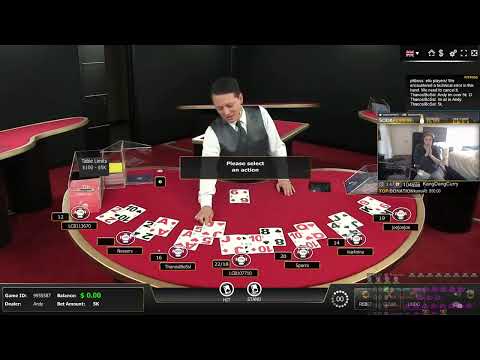
Live dealer tables now offer localized betting limits and native language support, directly adapting to the player’s currency and spending habits. You will find tables with minimum bets set to your local threshold, such as ₹100 for Indian rupees or €1 for European users, preventing awkward currency conversions. Simultaneously, the dealer speaks your language, from Mandarin to Spanish, and the interface displays chip values and game rules in your script. This seamless integration means you place bets in familiar denominations and hear instructions without delay, creating a truly regionalized and intuitive gaming experience.
Currency and Payment Preferences by Market
In Latin America, players favor local currencies like BRL and MXN alongside pix transfers for rapid deposits, while European markets predominantly transact in EUR via bank cards or e-wallets like Skrill. Asian users often prefer USDT or THB through localized methods such as PromptPay. Payment method adoption directly mirrors regional digital infrastructure, not just currency availability. Q: Why do some markets reject credit cards for live dealer transactions? A: Many Asian and African players prioritize anonymity and instant settlements, which prepaid vouchers or crypto provide but card networks struggle to match.

Future Trends Shaping Human-Dealt Gaming
The future of human-dealt gaming in live dealer casinos is being shaped by deeper immersion through personalized dealer interactions, where AI analyzes player history to tailor chat tone and game speed. Haptic feedback technology will soon allow players to feel the physical shuffle and chip stack through their screen, creating a tactile bridge. Advanced optical recognition is enabling “hybrid hands,” where a human dealer manages physical cards while parallel digital overlays project real-time odds and side bets directly onto the table. Augmented reality headsets will soon let players see their own virtual chips and cards coexist with the dealer’s physical space, erasing the boundary between remote and in-person play. These innovations prioritize seamless, intuitive control for the player without disrupting the authentic human-led flow.
Augmented Reality Overlays on Real Tables
Augmented reality overlays on real tables transform live dealer blackjack by projecting digital odds, card-counting hints, and payout multipliers directly onto the physical felt through your screen. Instead of glancing at separate stats windows, you see interactive betting zones glow when value wagers arise. A handheld dealer’s shoe becomes transparent, revealing remaining deck density as a color gradient on the table surface. This eliminates mental math entirely, letting you focus on real-time strategy while the overlay handles probability tracking.
- Instant pot-odds displayed beside each player’s bet circle
- Predictive arrows showing historical dealer bust patterns
- Haptic feedback via mobile device when overlay detects a split opportunity
AI-Assisted Dealer Training and Consistency
AI is stepping in to help dealers nail consistent, high-quality play. Instead of varied styles between tables, standardized dealer training uses AI to analyze game flow and give real-time feedback on pace, hand placement, and vocal clarity. This means every spin feels smooth and predictable, even if you hop between different live tables. The system catches small inconsistencies humans miss, ensuring the entire experience feels polished and familiar every time you join a game.
Integration with Cryptocurrency Wallets for Instant Settlements
Imagine finishing a hand of blackjack with a live dealer and having your winnings land in your crypto wallet instantly, no banking delays. Integration with cryptocurrency wallets makes this real by linking your in-game balance directly to your digital wallet. When you cash out, the smart contract executes the settlement on-chain immediately, skipping traditional processing queues. You never leave the game to approve transfers; the connection handles deposits for buy-ins and payouts automatically. It turns settlement from a chore into a seamless part of the play, giving you full control over your funds without waiting for the casino to cut a check.
Integration with cryptocurrency wallets removes friction by enabling instant, peer‑to‑peer settlements directly within the live dealer game, putting you in charge of your money.
