
Exploring the evolution of gambling throughout history
Anbietervergleich_für_Echtgeldspieler_mit_wildrobin_casino_und_seriösen_Altern
June 15, 2026เจาะลึกเลขเด็ดจากดินแดนล้านช้าง
June 15, 2026Exploring the evolution of gambling throughout history
Ancient Beginnings of Gambling
The roots of gambling can be traced back thousands of years to ancient civilizations. Archaeological evidence indicates that forms of gambling existed in Mesopotamia around 3000 BC, with clay tokens used for games of chance. These early bets often revolved around military conquests or agricultural success, highlighting how integral gambling was to societal practices. The practice was not merely recreational; it served as a way to engage with fate and the unknown. In this context, it’s fascinating to explore sites like westace-ca.com, where modern gaming links back to these ancient traditions.
Similarly, in ancient China, gambling activities began with the use of tiles for a game of chance during the Shang Dynasty. This early form of gambling was so significant that it contributed to the development of various gambling games that are still popular today. In India, references to dice games appear in ancient texts, illustrating a diverse range of gambling activities across different cultures. This early proliferation set the stage for gambling to evolve into a global phenomenon.
These ancient practices laid a foundation that integrated gambling into cultural rituals and social interactions. As societies advanced, they developed more structured forms of gambling, transitioning from rudimentary bets to more complex systems. The historical context of gambling reveals much about the human desire for risk and reward, providing insight into how gambling became an enduring aspect of human nature.
Middle Ages and the Rise of Gambling Houses
During the Middle Ages, gambling transformed significantly, particularly in Europe. The feudal system and the rise of trade led to the establishment of gambling houses, which were often located in taverns and inns. These venues became social hubs, where people could engage in various games, including dice and card games. The growth of these gambling houses marked a shift toward more organized and accessible forms of gambling.
As the Renaissance unfolded, the introduction of playing cards from Asia revolutionized gambling. Card games became immensely popular among nobility and commoners alike, further embedding gambling into societal norms. The first official gambling house opened in Venice in 1638, paving the way for casinos as we understand them today. These establishments began to attract large crowds, blending entertainment with a chance for monetary gain.
This period also saw the emergence of gambling regulations. Governments recognized the economic potential of gambling and began to tax it, establishing a formal relationship between gambling and state revenue. The growth of legal gambling houses reflected societal acceptance of gambling as a legitimate form of entertainment, setting the groundwork for future expansions in the industry.
The Birth of Modern Casinos
The 18th and 19th centuries marked a crucial evolution in the gambling landscape with the establishment of modern casinos. In France, the first official casino, Casino de Spa, opened its doors, offering an array of games that attracted an affluent clientele. This shift not only solidified the casino as a destination for leisure and luxury but also redefined gambling as a more sophisticated and organized activity.
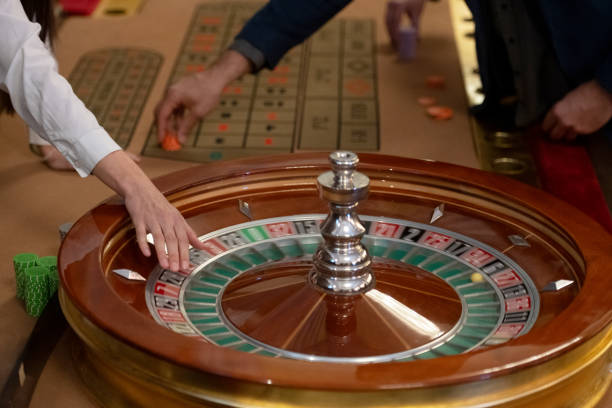
During this time, gambling spread to other parts of Europe and the United States. The Gold Rush era in the U.S. saw a surge in gambling establishments, particularly in frontier towns. These venues featured games of chance like poker and roulette, attracting miners and adventurers seeking fortune. The concept of the “Wild West” became synonymous with high-stakes gambling, further embedding it into American culture.
As technology progressed, innovations such as the slot machine emerged, adding a new dimension to the casino experience. The first mechanical slot machine, created in 1895, revolutionized gambling, making it accessible to a broader audience. This technological advancement contributed to the explosion of casino culture in the 20th century, particularly in places like Las Vegas, which became a global hub for gambling and entertainment.
The Digital Revolution and Online Gambling
The late 20th century heralded a new era for gambling with the advent of the internet. Online gambling began to gain traction in the 1990s, transforming traditional notions of casinos. Players could now access a variety of games from the comfort of their homes, leading to a significant shift in gambling behavior. This digital revolution made gambling more accessible than ever before, attracting a new generation of players.
Online casinos offered enticing bonuses and promotions to lure players, dramatically changing the competitive landscape. The ability to play anonymously and at any time appealed to many, leading to exponential growth in the online gambling industry. Regulatory bodies began to establish frameworks for online gaming, focusing on player protection and fair play, reflecting an increasing acceptance of digital gambling.
As technology continues to evolve, so does online gambling. The integration of mobile apps has made gaming even more convenient, allowing users to place bets and play games on-the-go. Innovations such as live dealer games bring the casino experience into the digital realm, bridging the gap between traditional and online gambling. This ongoing evolution highlights the adaptability of gambling in response to societal changes and technological advancements.
The Future of Gambling and Responsible Gaming
As we look to the future, the gambling industry is poised for further transformation. Emerging technologies like virtual reality and blockchain are set to redefine the gaming experience. Virtual reality casinos could provide immersive experiences, while blockchain technology could enhance security and transparency in transactions. The potential for personalization and interactive gaming experiences is limitless, promising an exciting future for players.
However, with this growth comes the responsibility of promoting safe and responsible gambling practices. The industry must prioritize player welfare, implementing measures to prevent addiction and promote informed decision-making. Regulatory bodies are continuously developing frameworks to ensure that gambling remains a safe form of entertainment, emphasizing the importance of social responsibility.
Ultimately, the evolution of gambling reflects changes in societal values, technology, and cultural attitudes. As it continues to adapt and grow, the gambling industry must navigate the balance between innovation and responsibility, ensuring a sustainable and enjoyable experience for all players.

WestAce Canada: A Modern Casino Experience
WestAce Canada, launched in 2026, represents a significant advancement in online gambling tailored specifically for Canadian players. With a diverse selection of over 1,000 games, including slots and live dealer options, WestAce is committed to delivering a seamless user experience. The site ensures fast payouts and 24/7 customer support, enhancing the overall gaming experience for its users.
Security is a top priority at WestAce, with certified Random Number Generator technology and strict verification processes. This focus on safety creates a trustworthy environment for players, allowing them to enjoy their favorite games without concerns about fairness or security. Moreover, new users can take advantage of a generous welcome package, offering up to C$2,000 plus 150 free spins, making it an attractive option for those new to online gaming.
As online gambling continues to evolve, WestAce Canada exemplifies a modern approach that prioritizes player experience, safety, and engagement. With exciting promotions and a rich gaming library, WestAce stands out as a premier destination for online gambling enthusiasts in Canada, inviting players to explore responsibly.
