
Payment Verification System Brick House Bonanza Slot Transparency for UK
favorite article 195116
July 1, 2026L’appareil de divertissement à la dernière mouvance en ligne pour les fans
July 1, 2026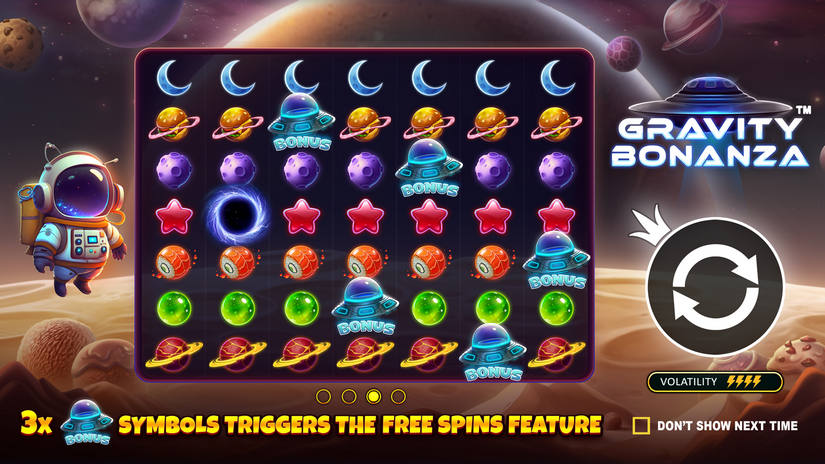
Examining online slots has taught me to consider payout verification with a critical eye. The conversation about Brick House Bonanza and its transparency for UK players goes beyond one game’s features. It tests the industry’s actual dedication to fair play. Players are more informed now, and regulators like the UK Gambling Commission (UKGC) apply strict rules. In this climate, knowing how a game’s payout system gets verified is crucial. Real transparency is not a slogan on a website. It’s a technical fact that empowers the player. For a UK audience, Brexit and local protections add another layer. This analysis will break down what a payout verification system really is, where Brick House Bonanza fits within it, and what a UK player can perform to check the game’s integrity for themselves.
The Core of Payout Verification: RNGs and RTP
Each legitimate online slot relies on two things: the Random Number Generator (RNG) and the Return to Player (RTP) percentage. The RNG is the digital core. It makes sure every spin result is random and independent from the last one. For a UK player, one thing is mandatory. This RNG must be certified by an independent tester like eCOGRA, iTech Labs, or Quinel. These groups perform intense audits to prove the RNG is unpredictable and fair. The RTP is a percentage, say 96.5%. It’s a theoretical figure computed over millions of spins. It shows how much wagered money the slot is set to give back to players over a long period. Bear in mind, this isn’t a promise for your next ten spins. It’s a long-term mathematical expectation. When I look at Brick House Bonanza, my first step is to search for its published RNG certificates and its official RTP. Transparency commences right here. This information should be easy to find, usually in the game’s paytable or on the casino’s fairness page. If you don’t spot it straight away, that’s a serious warning sign.
UK Regulation System and Player Safeguards
The UK Gambling Commission runs one of the strictest regulatory systems anywhere. Its rules directly determine how much transparency a player receives. Any casino presenting Brick House Bonanza to UK players needs a current UKGC licence. This licence requires them to follow demanding standards on equity, safeguarding player money, and safe gambling. A key rule is that licensees must offer players detailed details on game rules, odds, and bonus terms. On top of that, UK players can request a full history of their gaming transactions. They can compare this with game logs. This regulatory framework represents the player’s best tool. It implies payout verification for Brick House Bonanza does not rely solely on the game maker’s promises. It is upheld by an authority that can levy massive fines or take licences away. This external pressure makes sure the verification systems are not simply paperwork. They are consistently supervised in practice.
Practical Steps for Player-Level Verification
Transparency requires effort from both sides. A player must be aware of how to check payout integrity independently. My first advice is always to scour the casino site for a link to the game provider’s certification or the testing lab’s report. Major providers like Pragmatic Play, who made Brick House Bonanza, usually publish this information publicly. Second, review the game history log in your casino account. This shows your personal results. If you observe a pattern that wildly defies statistical norms over a very large number of spins, it could be worth looking into. Third, master the game rules inside out. Brick House Bonanza has bonus rounds, free spins, and jackpots. Knowing exactly how these features trigger and pay out is a core part of transparency. Finally, UK players should contact customer support with specific questions about RNG certification and RTP. A good operator will offer clear answers and direct links to proof, not just generic promises.
Understanding the Part of Game Providers and Casinos
The series of trust for payout verification includes several links. The game provider, Pragmatic Play here, creates the mathematical model, the RNG, and the game code. They receive the primary certification from the testing labs. The online casino then places this game on its platform. The casino’s job is to show the correct RTP, keep the game code intact on its servers, and grant access to transaction histories. I’ve observed transparency collapse at either stage. A provider could have a certified game, but a casino might present the wrong information. So my verification process always includes two checks. I ensure I’m playing the real Brick House Bonanza from a licensed provider. And I ensure I’m on a site with a UKGC licence. The casino’s own credibility for fairness, evident in player reviews and industry audits, counts just as much as the game’s certificate.
Widespread Misconceptions and Real Realities
Addressing myths is essential for ensuring transparency. One big misconception is that a slot “owes” a win after a string of losses. Because each spin is autonomous thanks to the RNG, this is totally wrong. Every spin has the identical odds, no matter what happened before. Another myth is that RTP dictates your session results. A 96% RTP does not mean a £100 deposit yields £96. It is a long-term average across numerous players. Some also think bonus features or “bonus buy” options alter the core RNG. Generally they don’t. They are just various paths to the game’s existing prize pools. Getting these facts straight prevents players from confusing normal luck swings for a rigged game. True transparency means educating players these mathematical facts. It makes sure their verification efforts rely on solid logic, not gambling superstitions.
Common Questions (FAQ)
Players often query the same topics about payout confirmation and transparency, especially UK players testing games like Brick House Bonanza. To aid, I’ve gathered the most frequent questions here. I’ve divided them into groups to handle both general worries and specific technical points.

Broad Transparency and Fairness
These questions tackle the fundamental points every player should consider before gambling on an online slot. They center on the systems that maintain games fair and trustworthy.
How can I be certain Brick House Bonanza is not manipulated?
Your trust comes from unbiased audits. Verify that the game comes from a reputable provider (Pragmatic Play) and is available on a casino with a UKGC license. UKGC rules require the casino to use games with an RNG certified by an recognized examiner. Check for badges from eCOGRA, iTech Labs, or comparable on the casino or provider’s site. This external audit is your key evidence that the game results are arbitrary and honest.
Where do I find the RTP for Brick House Bonanza?
The Return to Player rate should be simple to find in the game. Click the information or settings button (usually an ‘i’ or a menu sign) on the game screen to access the paytable. The RTP is typically shown there. Also, regulated UK casinos must provide you this details if you request. Many show it on their game details or fairness pages already.
These questions go more into the specialized side of verification. They describe how outcomes are produced and what data you can access for your own checks.
Is it possible to view the audit report for the game’s RNG?
Typically you can, but not from inside the game itself. The full, detailed audit report is held by the testing lab and the game provider. But the summary certificate of compliance is public. Trustworthy casinos and providers show this certificate on their websites. You may need to visit the “Fair Play” or “Game Integrity” section of the casino site, or the Pragmatic Play corporate site, to access it.
Does using a bonus affect the payout verification?
Using a bonus does not change the core RNG or the game’s certified fairness. But it has a huge effect on how transparent your own financial tracking is. Bonus money almost always includes wagering requirements and special game rules. These can alter your real-money withdrawal process. For verifying the game’s mechanics, Brick House Bonanza Slot Bonus Deals, bonuses don’t matter. For monitoring your personal results, you must carefully factor in the bonus terms when you review your transaction history.
