
Habits Before Playing Fishin Frenzy Slot Popular in UK
Η Ύψιστη Εμπειρία Καζίνο με Πραγματικά Χρήματα για την Ελλάδα με το Quick Casino
August 25, 2026My Take on Total Casino Auto Logout Function
August 26, 2026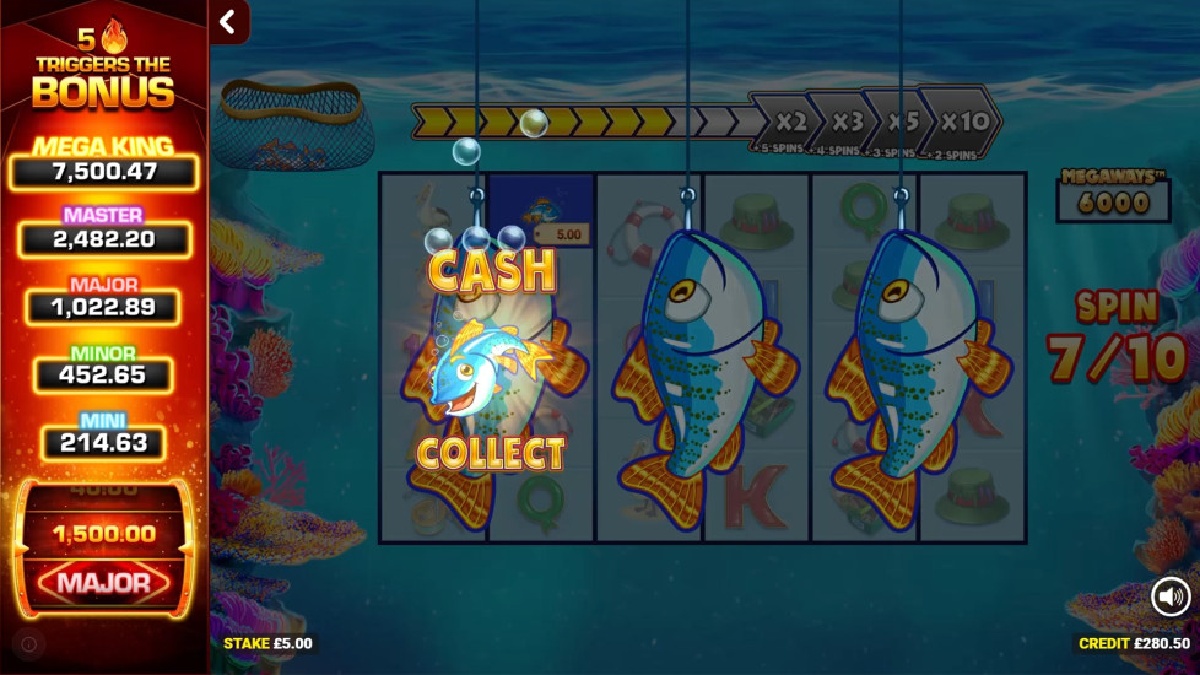
Fishin Frenzy, the online slot from Blueprint Gaming, has become something of a icon in UK casinos. It’s not just the fishing theme or the hope of a decent catch that brings players coming back. There’s a whole practice of preparation that has emerged around it. For a lot of people who play, from the seasoned ones in Manchester to the weekend dabblers in Cardiff, what happens before the first spin is just as significant as the game itself. These rituals combine a bit of old-fashioned superstition with modern common sense. They serve to turn a quick game into a proper event. Let’s explore the habits UK players have taken up and see what they tell us about how people experience this particular slice of online life.
The Allure of Fishin Frenzy and the United Kingdom Player
To understand why these rituals happen, you need to appreciate the game’s grip on people. Fishin Frenzy isn’t overly complicated. It has five reels, ten paylines, and a free spins round that begins when you land three or more scatters. When those free spins trigger, every fish symbol that drops can deliver cash. For many in the UK, it feels familiar, a bit like the old coin-pusher games you’d see in seaside arcades. That sense of nostalgia causes players feel attached. Because they care about the experience, they start forming their own little ways of doing things. The rituals aren’t really about altering the random number generator. They’re about getting yourself into the right mood to savor a game you enjoy.
The Mental Cast-Off: Concentration and Goal Setting
The most refined rituals happen inside the player’s head. Experienced gamers recognize that having a cluttered mind leads to a frustrating session. So they make a conscious effort to let go of the day’s stresses, imagining them drifting off like a discarded line. Some take a minute for quiet breathing or a quick stretch. The real key lies in setting an intention. This isn’t normally “I must win fifty pounds.” It’s frequently something like “I’m going to enjoy twenty minutes of fun,” or “I want to see if I can trigger the free spins round.” By focusing on the experience itself, players shield themselves from disappointment if the big win doesn’t come. This mental preparation lets them be present in the game, observing the graphics and the sound, and choosing calm choices about their bets.

Fortune Tokens and Personal Superstitions
This is where things get personal and a little unusual. Players often carry lucky objects or little gestures they swear by. Some maintain a physical token by the computer, like a certain coin or a small souvenir from a holiday. Others have a set routine, like spinning their office chair three times or clicking the mouse with a specific finger. A modern twist is the belief in ‘hot’ casinos. A player might hop between two or three sites, trying the demo on each, to see which one ‘feels’ right that day. Another common habit is to let the game run in demo mode for a few rounds, just to see the reels turn. These small acts don’t change the odds, but they do offer a sense of command. They introduce a layer of personal story to the direct action of pressing a button.
Setting the Scene: The Environment Ritual
A lot of players won’t press the spin button until their area appears just right. They establish a little corner for attention, and maybe a bit of fortune. Often, this requires organizing the immediate area first. A tidy table means a tidy head, or so the thinking works. Lamps gets attention too. Harsh overhead lights are turned off in favor of a softer glow. The main goal is to shut out noise. You might notice someone:
- Place their phone on silent and shove it in a drawer.
- Inform their partner or flatmates they’re not to be disturbed.
- Pull on a specific, well-worn sweater they always put on for gaming.
- Get their favourite cup of tea or coffee ready and within hand.
Carrying this out acts as a mental break. It creates a line between the troubles of the day and the free time that follows. By the time the game starts, they’re focused only on the blue water and the expectation of a bite.
The Standard Pre-Spin Routine Sequence
When you put all these individual steps together, they form a full pre-game sequence. People stick to their own personal script, often in the same order every time. If you looked, you’d see a set of actions carried out with careful attention:
- Space Preparation: One last adjustment of the lamp, a shuffle in the chair, and a glance around the now-tidy room.
- Tech & Money Arrangement: Accessing the account, confirming the bankroll, setting the bet size to, say, 10p per spin, and turning the sound up.
- The Ritual Move: Carrying out the personal superstition, whether that’s tapping the monitor frame or whispering “good luck” to no one in particular.
- The Psychological Stop: A final, deliberate breath in and out, and a silent reminder of why they’re playing right now.
- The Initial Cast: Hitting the spin button for that very first time, often with a feeling of ceremony.
This routine functions as a powerful signal to the brain. Once it’s done, the player is fully shifted into game mode. The repetition is comforting. It creates a clear border between normal time and play time, even if play time only lasts for fifteen minutes.
The Tactical Preparation: Account and Budget Checks
For those who approach play with discipline, a financial check-up is a mandatory initial move. This is not based on fortune; it’s about sound judgment. The routine typically adheres to a fixed sequence. They sign into their preferred casino, maybe one like Bet365 or William Hill. They scrutinize their funds and determine if any promotional deals are available for Fishin Frenzy. Then arrives the crucial step: setting the boundaries. They fix a firm loss limit, an amount they can afford to lose without regret. They also establish a winning target, a point where they’ll happily cash out. They decide these matters coolly, before the excitement of a potential win can obscure their reasoning. A conclusive test on the Wi-Fi connection eliminates the hassle of a signal loss while spinning. This entire process fosters self-control, making safe gambling a routine that commences prior to placing a bet.
How Rituals Are Important for the Fishin Frenzy Gameplay
These pre-spin habits, from the reasonable to the playful, are beyond mere odd actions. They truly affect how people engage with the slot. At their core, they transform a routine click into something with personal meaning. The rituals bake responsible gambling into the process, making budget checks a required opening step. They also function as a type of presence, pulling a gambler’s concentration away from routine stresses and into the moment. For a slot like Fishin Frenzy, which is built around calm escapism, that concentrated attitude is optimal. On a broader scale, these shared traditions foster a atmosphere of belonging. Players enjoy discussing their methods on forums and social media communities. In the long run, these rituals add a human fingerprint on a digital pastime. They enable a bit of individuality emerge in a realm controlled by code and randomness.
